Aluminium OS: Google's New Laptop Operating System and the Lessons It Must Learn
Google's Aluminium OS has been officially confirmed, but many details remain under wraps. This new operating system is not a direct Chrome OS replacement, but a deeper experience for those seeking more from their laptop. Recent leaks suggest Samsung is already developing Galaxy Book models powered by Aluminium OS, with a possible debut at Google I/O 2026. To succeed, Google must avoid the early missteps that hindered Android—fragmentation, delayed updates, and inconsistent experiences. Here's everything we know so far.
What is Aluminium OS and how does it differ from Chrome OS?
Aluminium OS is Google's new laptop-focused operating system, confirmed in late 2025 after years of rumors. Unlike Chrome OS, which targets lightweight, web-centric use cases (especially in education), Aluminium OS aims to provide a richer, more desktop-like experience. It is designed for power users who need greater flexibility, local app support, and deeper customization. Google has stated that Aluminium OS isn't an absolute replacement for Chrome OS; instead, it will coexist, catering to different segments. Chrome OS will continue to dominate schools and budget devices, while Aluminium OS targets premium laptop users seeking a seamless blend of cloud and native capabilities.
When is Aluminium OS expected to launch?
According to recent leaks, Google is nearing a release, with Aluminium OS potentially debuting as early as Google I/O 2026. This timeline aligns with reports that Samsung is already working on Galaxy Book models powered by the new OS, including a flagship-tier machine. While Google has not confirmed a specific date, the proximity of these leaks to the company's developer conference suggests an unveiling is imminent. Given that Google has historically used I/O for major platform announcements, a 2026 launch seems plausible, allowing developers and OEMs time to prepare apps and hardware.
What hardware will run Aluminium OS first?
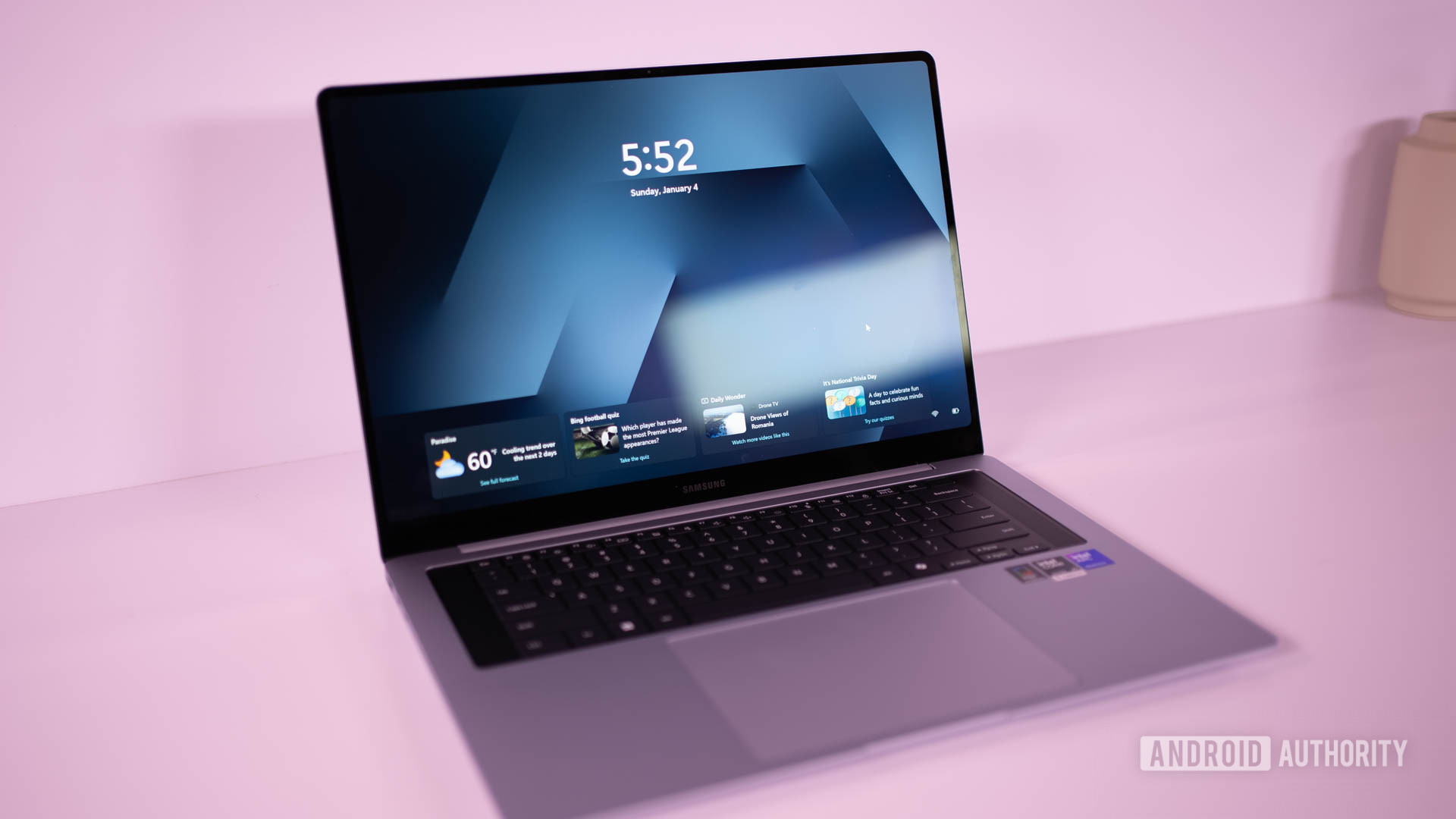
Initial reports point to Samsung as a key launch partner for Aluminium OS. Leaks indicate Samsung is developing multiple Galaxy Book models with the operating system, including a potential flagship-level device. This is reminiscent of the Galaxy Nexus partnership for Android, but with a focus on premium laptops rather than smartphones. Other OEMs may follow, but Samsung's involvement suggests Aluminium OS will target high-end hardware to showcase its capabilities. Google itself may also release Pixel-branded laptops, though no official word has emerged. The OS is expected to support traditional x86 and ARM architectures.
How can Google avoid repeating Android's early mistakes with Aluminium OS?
Android's initial challenges included severe fragmentation, slow OS updates, and inconsistent user experiences across devices. To prevent this with Aluminium OS, Google must enforce stricter hardware and software requirements. For example, mandating a minimum update window—similar to the Pixel or Android One program—would ensure all Aluminium OS devices receive timely patches. Additionally, Google should limit customization by OEMs to preserve a cohesive experience, while still allowing for unique hardware features. A unified app ecosystem with robust compatibility testing would also help. By learning from Android's history, Google can build a more reliable and standardized platform from the start.
What features can we expect from Aluminium OS?
While detailed feature lists are scarce, Aluminium OS is expected to offer a deeper desktop experience than Chrome OS. This may include native support for Linux apps, advanced window management, and enhanced multitasking capabilities. Google has hinted at better integration with Android devices, allowing seamless file sharing, app continuity, and notification sync. The OS likely prioritizes performance and security, with a modern kernel and sandboxed app environments. Leaks suggest Aluminium OS will also emphasize AI-driven features, such as smart resource allocation and contextual assistance. Overall, it aims to bridge the gap between lightweight Chromebooks and full-fledged desktop operating systems like Windows or macOS.
How does the Samsung Galaxy Book partnership impact Aluminium OS's future?
Samsung's collaboration is a significant vote of confidence for Aluminium OS. As one of the world's largest laptop manufacturers, Samsung brings vast hardware expertise and a global distribution network. The partnership likely involves co-developing optimized device drivers and custom features, similar to how Samsung contributed to Android's evolution. However, history warns that Samsung's heavy customization (e.g., TouchWiz on Android) can lead to bloatware and delayed updates. Google must ensure that any Samsung-specific enhancements comply with the OS's core update policy and design guidelines. Success here could encourage other major OEMs to adopt Aluminium OS, accelerating its ecosystem growth.