The Silent Giant: How a 63 Million Cubic Meter Landslide Created a 500-Meter Tsunami in Alaska’s Tracy Arm
The Event: What Happened at Tracy Arm Fjord
On August 10, 2025, at 5:26 AM local time, a colossal wedge of rock—weighing in at over 63.5 million cubic meters—broke free from a mountainside above Alaska’s Tracy Arm fjord. The falling mass plunged into the deep waters at the end of the South Sawyer Glacier, unleashing an initial breaking wave that towered 100 meters high and raced across the fjord at speeds exceeding 70 meters per second. When this wall of water struck the opposite shoreline, it surged up the steep rock face to an astonishing height of 481 meters above sea level.
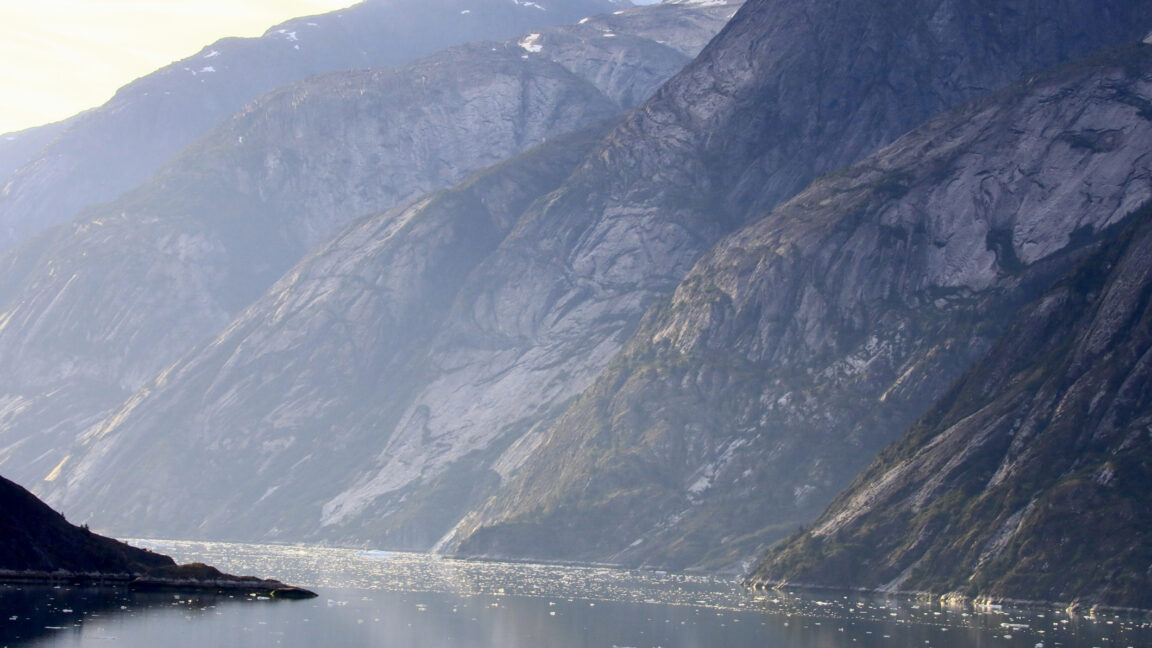
“It was the second highest tsunami ever recorded on Earth,” says Aram Fathian, a researcher at the University of Calgary and co-author of a recent study published in Science that meticulously reconstructed the event. “But until now, almost nobody heard about it because it was a near-miss event,” he adds. Fortunately, no injuries or fatalities occurred—largely because the landslide struck early in the morning, when few people were active. But as Fathian warns, “We might not be so lucky next time.”
Timing and Impact
The early hour played a crucial role in preventing disaster. Tracy Arm is a popular destination for cruise ships and kayakers, but at 5:26 AM, most vessels were still at anchor or not yet navigating the narrow waters. The wave’s runup of 481 meters—equivalent to a skyscraper nearly 1.5 times the height of the Empire State Building—would have been catastrophic had it occurred during peak tourist hours. The research team used satellite imagery, seismic data, and field surveys to confirm the scale of the event, which was later classified as a megatsunami.
Megatsunamis: Landslide vs Earthquake
Earthquake-generated tsunamis, like the 2004 Indian Ocean tsunami, typically produce runup heights of a few tens of meters when they strike land. In contrast, landslide tsunamis are far more localized but dramatically more violent. When millions of tons of rock suddenly cascade into a confined body of water—such as a narrow fjord—the abrupt displacement of water, combined with variations in depth, can generate waves that dwarf those from seismic events.
The Tracy Arm event is a textbook example: the falling rock displaced a massive volume of water, creating a wave that traveled at hurricane-force speeds. Scientists have documented 27 such events since 1925 with runups exceeding 50 meters. The highest remains the 1958 Lituya Bay tsunami in Alaska, which reached an incredible 530 meters. Tracy Arm’s 481 meters now ranks second, highlighting the extreme power of landslide-induced waves.
Historical Context
Landslide tsunamis are not new, but their frequency may be increasing due to climate change. Melting glaciers and permafrost can destabilize mountain slopes, making them more prone to collapse. The Tracy Arm event is a stark reminder that even remote areas can generate catastrophic waves. The 1958 Lituya Bay tsunami, triggered by an earthquake-induced landslide, remains the benchmark, but the 2025 event is a close second.
Why This Event Is Significant
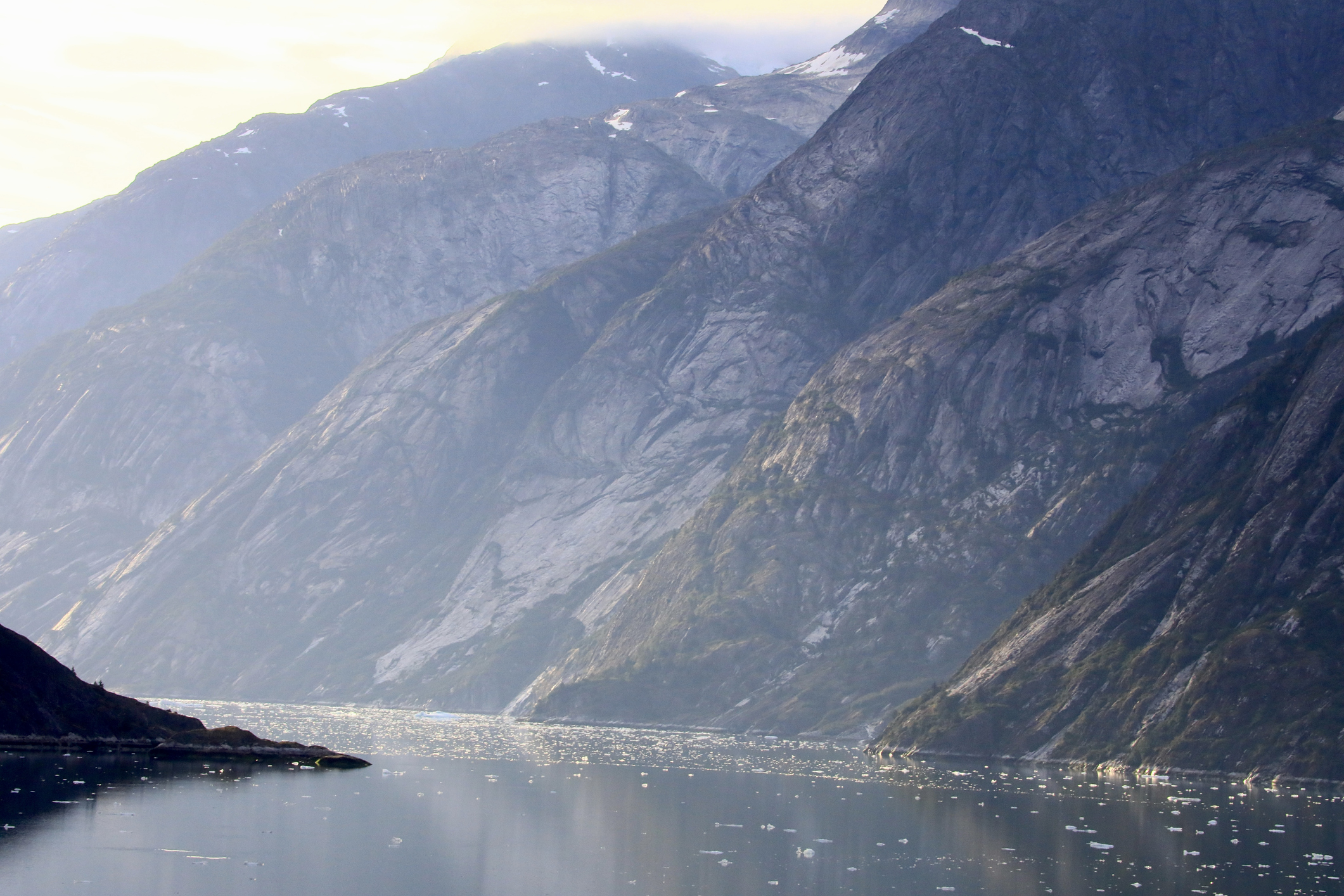
Beyond its sheer size, the Tracy Arm tsunami is significant because it occurred in a region that attracts thousands of tourists each year. The fjord is part of the Tracy Arm-Fords Terror Wilderness, a popular destination for cruise ships, kayakers, and hikers. Had the landslide happened just a few hours later, the consequences could have been devastating. The study’s authors emphasize that this near-miss serves as a wake-up call: similar events are likely to happen again, possibly with worse outcomes.
The wave’s runup of 481 meters is exceptional—it is nearly 10 times higher than typical earthquake-generated tsunamis. The energy released was equivalent to a moderate earthquake, yet the wave was entirely localized. This concentration of energy is what makes landslide tsunamis so dangerous: they can hit with little warning and produce surges that overwhelm any coastal infrastructure.
Lessons for the Future
Researchers are now calling for improved monitoring of unstable slopes in glaciated fjords, especially those frequented by tourists. Satellite-based early warning systems and real-time seismic networks could provide precious minutes of alert time. For now, the Tracy Arm event stands as both a scientific marvel and a stark warning: nature’s power can emerge from the quietest corners of the world, and our luck may not hold indefinitely.
To learn more about how scientists reconstruct ancient and recent landslide tsunamis, explore the section on megatsunamis or see the historical context for a timeline of similar events.