6 Key Facts About the DOJ's Subpoena of Apple Over Vehicle Modding App EZ Lynk
When the U.S. Department of Justice (DOJ) targets a vehicle modding app, the ripples can reach even the most powerful tech giants. In a recent twist, Apple was subpoenaed to hand over personal data on over 100,000 users of EZ Lynk—a device used to modify vehicle performance, often to cheat emissions tests. The case raises major questions about privacy, government overreach, and the legal obligations of app stores. Here are six essential things you need to know about this developing story.
1. What Is EZ Lynk and Why Is the DOJ Interested?
EZ Lynk is a hardware-and-software solution that lets vehicle owners tweak engine control units—often to boost horsepower or fuel economy, but also to disable emissions controls. The DOJ's investigation focuses on whether EZ Lynk users illegally tampered with their vehicles to violate the Clean Air Act. The agency isn't going after the app developers alone; it's demanding that Apple and Google reveal identities of everyone who downloaded the EZ Lynk app. This is an aggressive move that could expose a massive group of car enthusiasts and diesel truck owners to legal scrutiny.
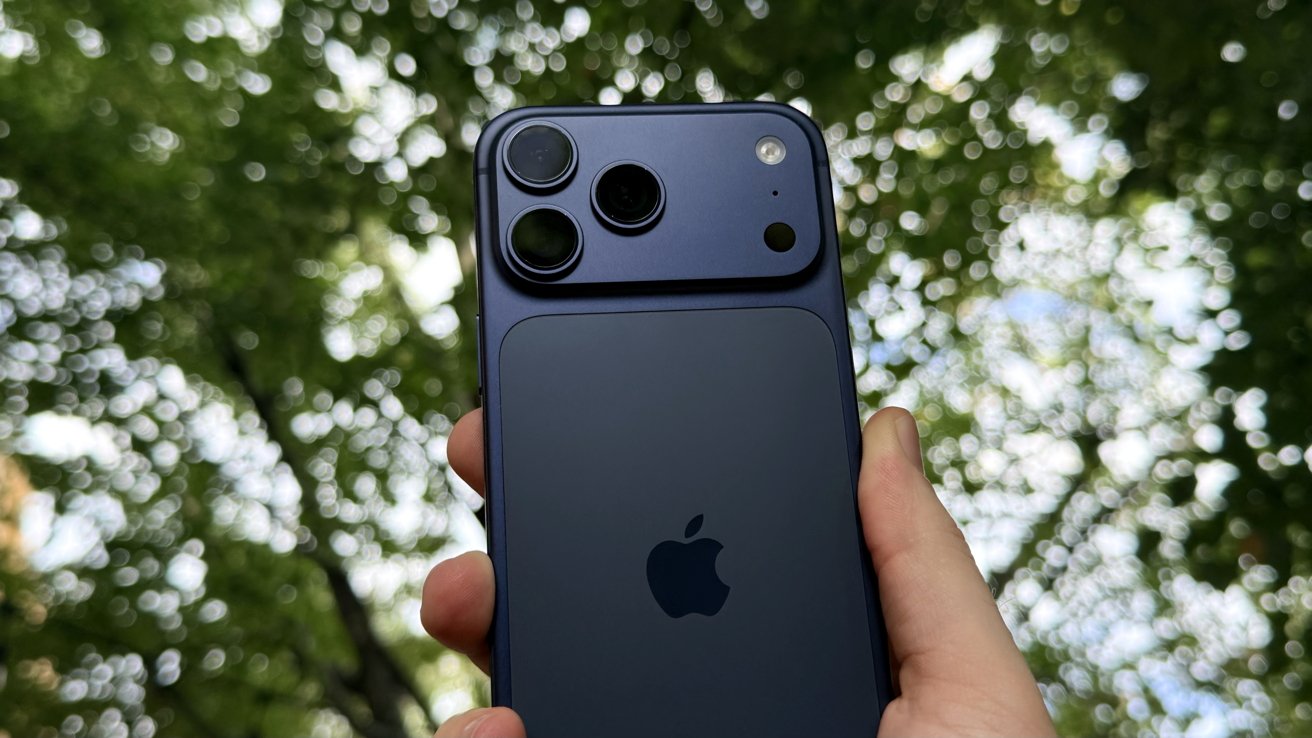
2. Apple Received a Subpoena for over 100,000 Users' Data
According to a report from Forbes, the DOJ issued subpoenas to both Apple and Google, seeking the name, address, phone number, and other identifying details for every person who downloaded the EZ Lynk app from their respective stores. That means hundreds of thousands of users could have their private information handed over to the government. Apple has not yet complied, and the company is known for pushing back against requests it deems overly broad or vague. The subpoena targets app download history, which some privacy advocates argue is protected speech or at least requires a more targeted warrant.
3. Why Apple Might Push Back Against the Subpoena
Apple receives government data requests daily, but it doesn't automatically surrender information. The company has a formal legal review process, and it will challenge subpoenas that lack probable cause or are too sweeping in scope. In this case, demanding data on all 100,000+ downloaders resembles a fishing expedition rather than a focused investigation. Apple has previously refused to comply with similar broad requests, citing privacy protections and First Amendment concerns. The outcome could set a precedent for how tech giants handle government demands for customer data related to third-party apps.
4. The Link Between Vehicle Modding and Emissions Cheating
EZ Lynk is especially popular among owners of diesel pickup trucks who install "tunes" to disable emissions systems—a practice that can cause vehicles to emit far more nitrogen oxides and particulate matter than allowed. Some users even engage in "rolling coal," where they intentionally blow thick black smoke. The DOJ has been cracking down on so-called defeat devices that bypass environmental regulations. Earlier this year, the agency raided several tuning companies. This subpoena signals that the government is now going after end users as well, not just the sellers of modding hardware.

5. What Data Could Be Shared and What Are the Risks?
If Apple complies, the DOJ could receive names, home addresses, email addresses, IP logs, and app download timestamps. For users, that could lead to civil fines or even criminal charges for violating the Clean Air Act. But there are also privacy concerns: the data might be used for unrelated investigations, or it could be improperly stored or leaked. Privacy experts warn that this sets a dangerous precedent where mere app downloads can be used to build a government database of people who might have committed no crime—only probable cause offenses.
6. What's Next for Apple, Google, and EZ Lynk Users?
Apple and Google have not yet responded publicly to the subpoenas. Legal experts expect Apple to file a motion to quash or significantly narrow the request. Meanwhile, EZ Lynk users may want to seek legal advice, especially if they used the app for emissions-related modifications. The case could move through federal court for months, and the outcome may clarify the limits of government surveillance of app store data. For now, it's a stark reminder that your download history can be used as evidence—even if you haven't been charged with anything.
Conclusion
The DOJ's subpoena of Apple for EZ Lynk user data highlights an escalating conflict between privacy rights and environmental enforcement. While cracking down on emissions cheats is a valid goal, demanding data on every app downloader without individual probable cause raises serious legal and ethical questions. As Apple decides whether to fight the subpoena, the case could shape how far the government can reach into your digital footprint. Stay informed, because this story is far from over—and it may affect how all app data is protected in the future.