Home Battery Boom: 400,000 Systems Installed, Matching Grid Storage Capacity
A Landmark Achievement in Home Energy Storage
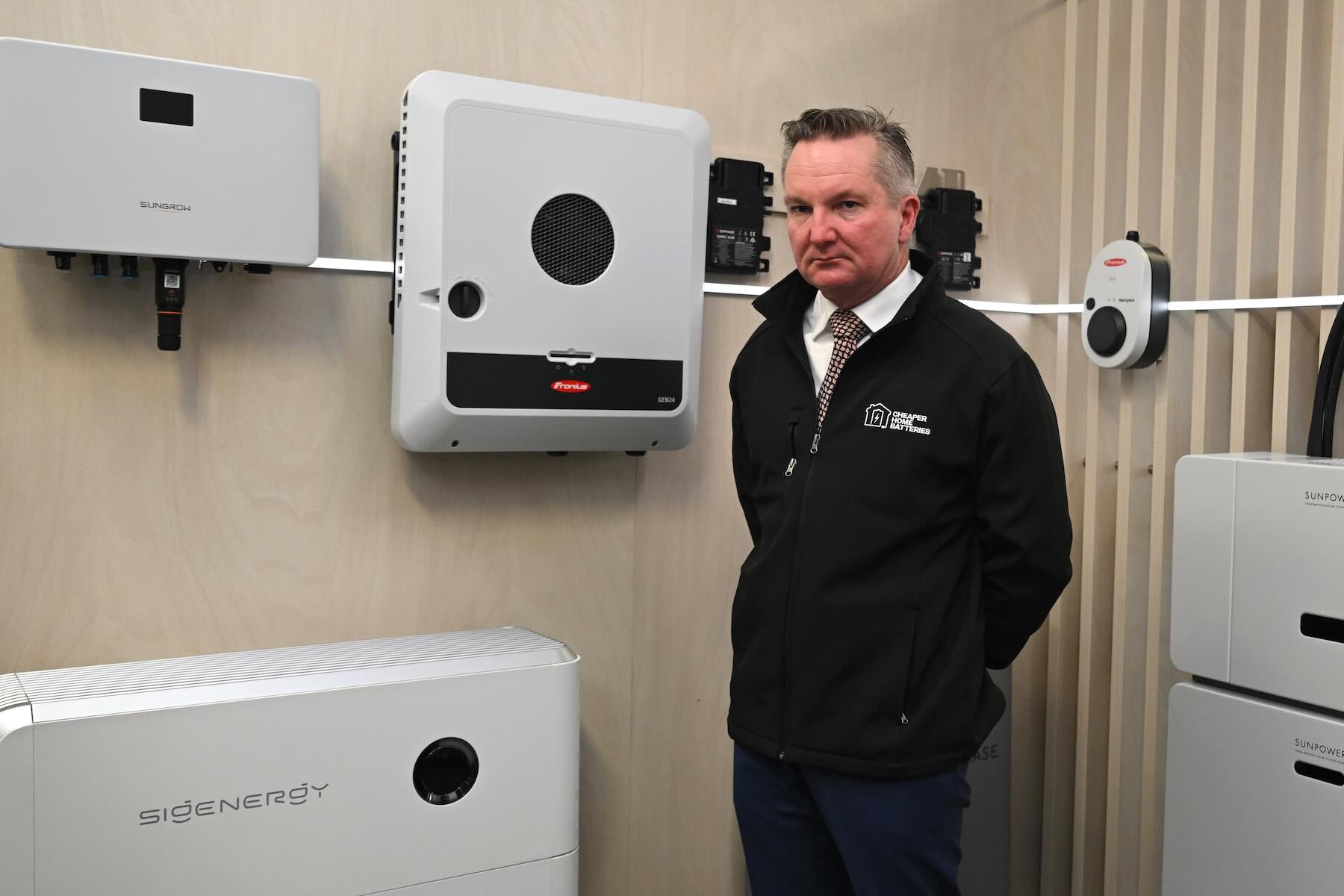
Australia has reached a remarkable milestone in its renewable energy journey: home battery installations have surged past the 400,000 mark, despite recent changes to rebate programs. This growth not only reflects a growing appetite for energy independence but also means that the cumulative storage capacity of residential batteries now equals that of all grid-scale batteries installed over the past year. Energy Minister Chris Bowen described the achievement as a “remarkable milestone”, highlighting the accelerating shift toward decentralized energy storage.
The Surge in Home Battery Installations
According to recent data, the number of Australian homes with battery storage has climbed steadily, crossing the 400,000 threshold in early 2025. This growth persists even after several state and federal rebate schemes were adjusted or phased out, suggesting that homeowners see batteries as a long-term investment rather than a short-term incentive-driven purchase. The uptick is particularly evident in states with high solar uptake, such as Queensland, New South Wales, and Victoria.
Factors Driving the Boom
Several factors are fueling this expansion:
- Falling battery prices – The cost of lithium-ion batteries has dropped significantly, making home storage more affordable.
- Increased solar penetration – With over 3 million rooftop solar installations, batteries allow households to store excess energy for evening use.
- Energy independence – Rising electricity prices and concerns about grid reliability motivate homeowners to generate and store their own power.
- Improved technology – Newer batteries offer longer lifespans, higher efficiency, and better integration with smart home systems.
Matching Grid-Scale Storage Capacity
A striking aspect of this milestone is that the total storage capacity of installed home batteries now equals the capacity of all grid-scale batteries deployed in Australia over the last twelve months. While individual home batteries are small—typically 5 to 15 kilowatt-hours—their collective contribution is enormous. This parallel growth suggests that distributed storage is becoming a serious complement to large-scale projects.
Comparing capacities:
- Home batteries: 400,000 systems × average 10 kWh = 4,000 MWh (4 GWh) of storage.
- Grid-scale batteries: Approximately 4 GWh added in 2024 based on industry reports.
This balance underscores the dual approach needed for a renewable grid: utility-scale projects for bulk energy management and home batteries for localized resilience.
Policy and Rebate Landscape
Rebate programs have evolved significantly. For instance, the Solar Homes Program in Victoria initially offered generous subsidies for battery systems, but later tightened eligibility and reduced amounts. Other states like South Australia have shifted from direct rebates to interest-free loans. Despite these changes, demand remains robust. Homeowners appear motivated more by long-term savings and energy security than by upfront discounts alone.
How Rebate Changes Affected the Market
The removal or reduction of up-front subsidies did cause a brief slowdown in some regions, but the overall trend continued upward. Installers report that customers are now more informed and willing to finance purchases through low-interest green loans or direct purchase. The market is maturing, with fewer “churn” installations and more systems being added to existing solar arrays.
Future Outlook: Even Faster Growth Ahead
Industry analysts predict that home battery installations could double within the next three years. Drivers include:
- Vehicle-to-home (V2H) technology – Electric vehicles with bidirectional charging can act as household batteries.
- Virtual power plants (VPPs) – More aggregators are paying households for access to their battery capacity.
- Falling soft costs – Installation and permitting fees are decreasing as the industry scales.
The milestone of 400,000 installations is not just a number—it represents a fundamental shift in how Australians produce, store, and consume electricity. As Bowen noted, it is a “remarkable milestone” that signals a cleaner, more resilient energy future.
Conclusion
Home battery installations in Australia have passed 400,000, matching the storage capacity added by grid-scale batteries over the past year—a clear sign that distributed energy storage is here to stay. Despite policy adjustments, the momentum continues, driven by falling costs, technological advances, and a growing desire for energy independence. For homeowners and policymakers alike, this trend offers a powerful tool in the transition to a renewable grid.