10 Critical Network Incident Response Bottlenecks and How AI Automation Can Fix Them
IT teams are drowning in alerts from fragmented systems, forcing responders to manually piece together investigations during network incidents. This listicle explores the hidden bottlenecks that delay response and how automation and AI-assisted workflows can slash those delays and improve coordination. From alert overload to post-incident analysis, here are ten key hurdles—and the solutions that turn chaos into control.
1. Alert Overload from Disconnected Systems
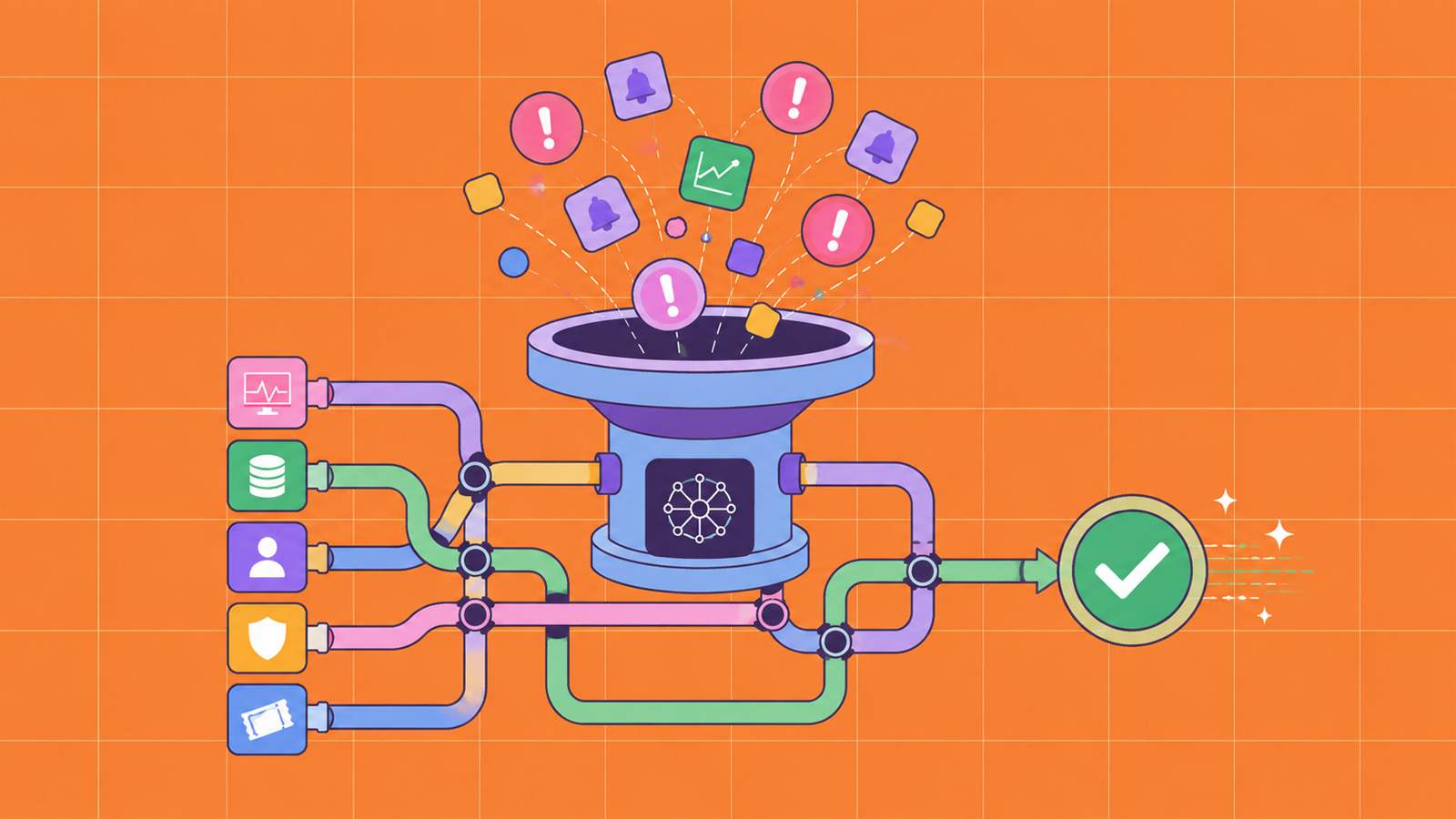
When security tools operate in silos, each one fires alerts without context. IT teams can receive hundreds of notifications per shift, many of them duplicates or false positives. This alert fatigue desensitizes analysts, causing critical warnings to be missed or ignored. Automation platforms aggregate alerts into a single queue, deduplicate them, and apply AI-powered correlation to surface only the highest-fidelity incidents. By reducing noise, teams can focus on what matters, cutting initial reaction time by up to 40%.
2. Siloed Tools and Data Sources
Network monitoring, SIEM, endpoint detection, and ticketing systems rarely share data natively. Responders waste hours logging into separate consoles, copying and pasting logs, and manually cross-referencing events. This fragmentation hides the full attack story. An orchestration layer that integrates with APIs from every tool provides a unified view. Automated data enrichment pulls context (e.g., user identity, asset criticality) into one dashboard, so analysts see the whole picture instantly without jumping between windows.
3. Manual Investigation Coordination
During a live incident, teams often coordinate by email, chat, or phone—each a delayed, error-prone channel. Steps get lost, decisions aren't documented, and handoffs between shifts create gaps. AI-assisted workflows can automatically assign tasks, log every action, and update stakeholders in real time. Chatbots integrated into incident response platforms provide a single communication thread, while automation triggers escalation only when human judgment is truly needed.
4. Lack of Automated Triage
Without automated triage, every alert must be manually sorted by severity. This consumes the first—and most valuable—minutes of a breach. Machine learning models trained on historical incident data can instantly classify alerts as critical, informational, or benign. They can even start containment actions (like isolating a compromised host) while the analyst reviews the case. This shrinks the mean time to acknowledge (MTTA) and frees experts for high-level decision-making.
5. Delayed Communication Between Teams
Network, security, and IT operations teams often speak different technical languages. Delays occur when one team must wait for another to translate findings. Automated workbook generation produces a common timeline with plain‑language summaries. Integration with collaboration tools (Slack, Teams) pushes updates to all relevant channels simultaneously. AI can even draft incident reports in real time, so everyone stays aligned without back‑and‑forth clarifications.
6. Inconsistent Response Playbooks
Many organizations have playbooks, but they're outdated, buried in wikis, or ignored under pressure. Inconsistent steps lead to missed containment actions and longer dwell times. Automation can enforce dynamic playbooks that adapt to the incident type. For example, a ransomware playbook automatically triggers network segmentation, snapshot backups, and law enforcement notifications. System logs every deviation, allowing post‑incident refinement.

7. Difficulty in Prioritizing Incidents
When multiple incidents occur simultaneously—common during an active threat campaign—teams struggle to decide which to handle first. Prioritization based solely on CVSS scores overlooks business context. AI models that factor in asset value, user risk behavior, and attack chain progression can assign a business risk score. The dashboard then highlights the incident with the highest potential impact, guiding responders to the most critical fire first.
8. Insufficient Context and Historical Data
Investigators often lack visibility into past incidents, user activities, or configuration changes. This forces them to rebuild context from scratch each time. A unified data lake that ingests logs, network flows, and asset inventories gives AI the historical baseline it needs to detect anomalies. Automated queries pull “what happened 30 minutes before the alert” without manual search, enabling faster root‑cause analysis.
9. Human Error Under Pressure
Stress‑filled incident response increases the chance of typos, misclicks, or forgetting to apply a containment rule. Automation removes repetitive, high‑risk manual steps—like firewall rule changes or disabling user accounts—through automated actions with human approval gates. If an analyst must click, the system validates the command against a safe list. This reduces the incident response error rate by up to 90%.
10. Post‑Incident Analysis Challenges
After the dust settles, teams spend days compiling timelines and lessons learned. Manual logs from emails and chat threads are incomplete. Automation captures every action, communication, and decision in a structured timeline. AI can generate a post‑mortem report with root cause, containment effectiveness, and recommendations. This data feeds back into the playbook refinement cycle, closing the loop for continuous improvement.
These ten bottlenecks drain precious time and resources from network incident response. But the path is clear: integrate tools, automate triage, and embed AI into workflows. Organizations that adopt such automation report 50–70% faster containment and significantly improved team morale. Ready to see it in action? Start with alert overload and explore each solution in the list—then schedule a demo to transform your own SOC.