What You Need to Know About Tesla's 1 Million Humanoid Robots
Tesla's latest quarterly report dropped a bombshell: the company is planning to build a factory capable of churning out 1 million humanoid robots annually. But who exactly will buy them? This question has sparked intense debate. Below, we break down 10 critical insights into Tesla's humanoid robot strategy, from production timelines to potential customers.
1. The Grand Production Plan
Tesla's shareholder letter mentions 'robots' three times, with specific emphasis on the Optimus factory. Preparations for the first large-scale facility begin in Q2, and the initial production line is designed to replace the Model S and Model X assembly lines to achieve a 1-million-unit annual capacity. This shift signals that Tesla sees robots as a core revenue stream, not just a side project.
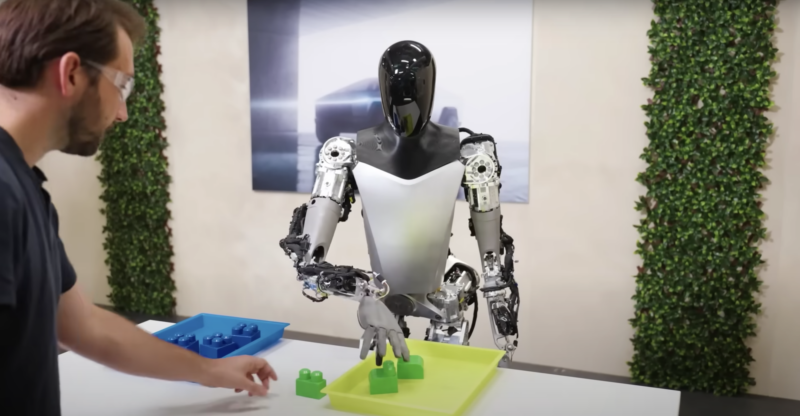
2. The Optimus Humanoid Robot
Known internally as Optimus, Tesla's humanoid robot is a general-purpose machine intended for repetitive, dangerous, or labor-intensive tasks. It stands 5'8" (173 cm) tall, weighs 125 lbs (57 kg), and can carry up to 45 lbs (20 kg). The robot is designed to walk, manipulate objects, and navigate human environments, running on Tesla's Autopilot AI software and custom actuators.
3. Initial Target: Manufacturing & Warehouse Operations
Tesla's first customers are likely its own factories. Automating assembly lines with Optimus could slash production costs and improve efficiency. But beyond Tesla, the largest demand may come from global logistics companies like Amazon, DHL, and FedEx, which already use robot arms for sorting and packing. Humanoid robots could replace forklifts and handle item picking, reducing workplace injuries.
4. The Automotive Industry
Car manufacturers are prime buyers. Companies such as Toyota, Volkswagen, and Ford already deploy assembly robots but lack flexible humanoids. Optimus could carry out tasks like welding, painting, and component installation. With labor shortages in manufacturing, automakers could prioritize these robots to keep production moving without hiring crises.
5. Healthcare and Elderly Care
Japan and other aging societies are desperate for robotic caregivers. Optimus could assist with lifting patients, delivering supplies, and even walking with seniors. While not yet approved for direct patient contact, the potential market in nursing homes is enormous. Governments may subsidize purchases to reduce caregiver burnout.
6. Retail and Hospitality
From stocking shelves to cleaning hotel rooms, Optimus could revolutionize retail. Stores like Walmart are already testing robot scanners, but a humanoid could handle unboxing, shelf restocking, and inventory auditing. Hotels could use them for concierge services or luggage handling, though current robots (like SoftBank's Pepper) have limited success—Optimus promises more dexterity and cheaper operation.
7. Construction and Agriculture
These labor-heavy industries are prime for automation. On construction sites, Optimus could lift heavy beams, operate tools, and perform masonry. In farming, it could pick fruit, herd animals, or maintain equipment. However, rugged outdoor environments require robust weatherproofing and terrain navigation, which Tesla's AI might deliver after more iterations.
8. Government and Defense
Humanoid robots could find roles in hazardous environments like bomb disposal, mine clearance, or disaster response. The US military has already funded similar projects (e.g., Boston Dynamics' Atlas). Tesla may need to comply with regulations, but contracts with agencies like FEMA or NASA could drive early sales, especially for scenarios too dangerous for humans.
9. The Consumer Market – Are We Ready for Home Robots?
Tesla CEO Elon Musk has hinted at consumer versions of Optimus, perhaps for cleaning and companionship. But today's price estimates (around $20,000) make it a luxury item. Most households lack the need or space for a humanoid servant. Yet if production scales and costs drop to $10,000 or less, the home market could explode. For now, the focus is on B2B sales.
10. The $1 Billion Question – Can Tesla Deliver?
Scaling to 1 million units per year is unprecedented for humanoid robots. Tesla must solve reliability, cost, and mass-manufacturing challenges simultaneously. Its track record with vehicle production is impressive, but robots involve complex electronics and AI that must work 24/7. If Tesla succeeds, it will disrupt labor markets globally. If it stumbles, the dream may remain a prototype.
In summary, Tesla is aiming to sell its humanoid robots to a diverse range of industries—from logistics and automotive to healthcare and construction. The factory plans are ambitious, and the market is real, but execution will determine whether Optimus becomes a staple of factories and homes. Keep an eye on Q2 groundbreaking as the first step toward that 1-million-robot-a-year future.