8 Key Insights from Jack Dorsey and Eugene Jarecki on Bitcoin, WikiLeaks, and the Film No Streamer Would Touch
When filmmaker Eugene Jarecki and tech icon Jack Dorsey sat down to discuss the documentary The Six Billion Dollar Man—a film about Julian Assange that major streaming platforms refused to carry—their conversation quickly expanded beyond distribution woes. It became a deep dive into censorship, surveillance, and bitcoin's untold role as a lifeline for free speech. Here are eight critical takeaways from that dialogue, each revealing how an open financial network is reshaping the fight for transparency.
1. The Documentary That Streamed No One Would Touch
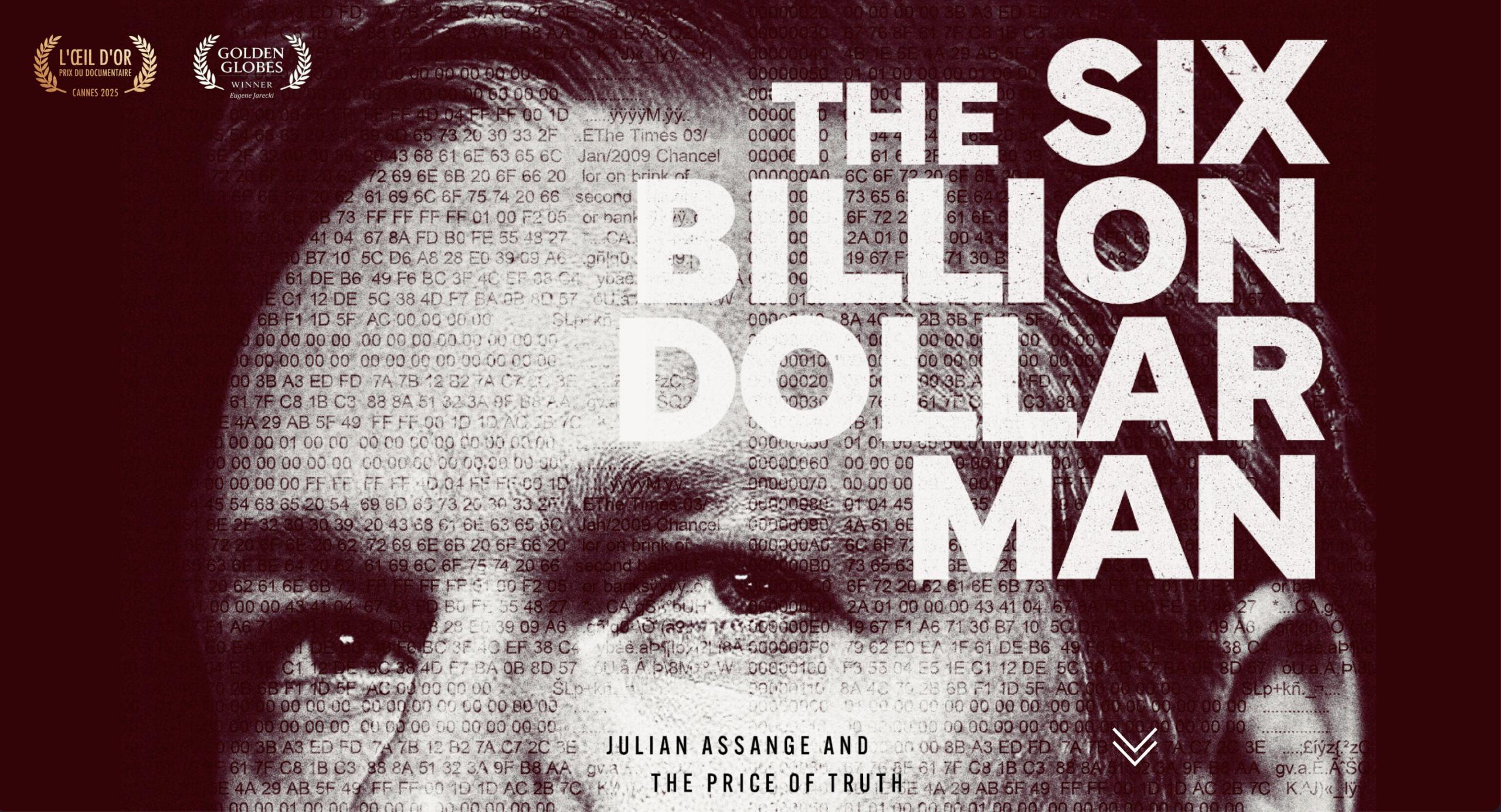
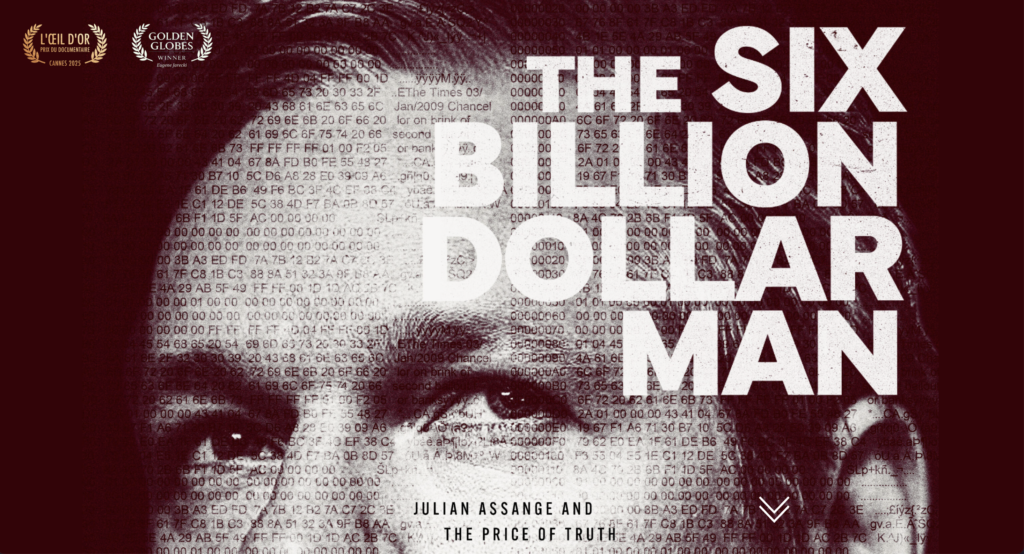
Jarecki's The Six Billion Dollar Man premiered at Cannes and earned festival praise, yet no major streaming service—Netflix, Amazon, or Hulu—agreed to distribute it. The reason? Its subject, Julian Assange, remains a lightning rod. Jarecki explained that platforms feared legal blowback and brand damage. The film exposes how a private security firm, tied to a casino near the panel venue, spied on Assange while he lived in London's Ecuadorian Embassy. This revelation—central to the documentary—was too hot for algorithm-driven gatekeepers. For Jarecki, the rejection proved exactly what the film argues: that institutional power now controls which stories survive.
2. Why Jarecki Called Dorsey First—And Got More Than Money
Jarecki approached Dorsey expecting a check. Instead, Dorsey redirected him to something larger: the bitcoin community. Rather than fund distribution directly, Dorsey suggested that the same people who believe in an open, permissionless money system would also want to see an uncensored film about Assange. It was a pivot from charity to alignment. Dorsey argued that bitcoin's user base already shares the principles Assange defended—transparent, resilient, and free from central control. Jarecki, initially skeptical, soon realized that this constituency could act as both audience and advocate, bypassing traditional gatekeepers entirely.
3. Bitcoin: The Protocol That Routes Around Gatekeepers
Dorsey described bitcoin as an open protocol for money transmission
that routes around Visa, Mastercard, and banks. This isn't just technical jargon—it's a freedom claim. In a world where financial institutions can freeze accounts, block transactions, or comply with political pressure, bitcoin offers an alternative: transactions that no single entity can stop. Dorsey emphasized that this architecture mirrors the early internet's ethos—decentralized, permissionless, and neutral. For him, bitcoin's real power isn't speculation; it's its ability to move value without asking permission, a quality that becomes essential when governments apply pressure.
4. The 2011 WikiLeaks Blockade: Bitcoin's First Real-World Test
In 2011, financial institutions cut off WikiLeaks from donation channels after U.S. government pressure. Visa, Mastercard, and PayPal all stopped processing payments. That's when bitcoin stepped in—as the only payment rail that couldn't be blocked. Dorsey called this moment one of the most significant in bitcoin's early history. It wasn't planned or orchestrated; it was a spontaneous, real-world use case under state pressure. The event proved that an open network could survive where centralized systems caved. It also cemented the bond between bitcoin and the fight against censorship, showing that the protocol isn't just for transactions—it's a tool for political resilience.
5. Comparison Between Assange and Satoshi: The Power of Anonymity
Dorsey drew a fascinating parallel between Julian Assange and Satoshi Nakamoto, bitcoin's pseudonymous creator. What matters most about Satoshi, Dorsey argued, is that he walked away. That exit—selfless and irreversible—made bitcoin founderless. Without a leader, the network resists the kind of pressure governments apply to a single person. Assange, by contrast, remained visible and paid the price. Dorsey sees both men as guardians of the same principle: that information and value should flow freely, without central control. Satoshi's anonymity became the ultimate safeguard, while Assange's visibility became his vulnerability.
6. Assange and Snowden: Victims of Technological Trust
Dorsey placed Assange and Edward Snowden in the same category: people who trusted the technology they used, who put their lives at risk for principles larger than themselves, and who suffered for it. Both believed that encryption and open communication could protect them from retaliation. Yet, as Dorsey pointed out, the systems they trusted were still vulnerable to human factors—surveillance, betrayal, and the coercive power of states. The lesson for the bitcoin community is deeper than admiration: it's a warning. Trusting a network isn't enough; the network must be designed so that no single person can be a target. Satoshi's departure created that design.
7. The Surveillance Risk Jarecki Faced While Filming
Jarecki revealed that making the film carried its own perils. While shooting in Russia, his crew sensed they were being followed and monitored—a layer of paranoia that mirrored the film's subject. He described the experience as a living example
of the surveillance state the documentary critiques. This isn't just Hollywood drama; Jarecki's own encounters underscored how quickly the tools of mass surveillance can turn on journalists. The film, he hopes, will serve as both a warning and a call to action for those who believe in open systems. For Dorsey, these stories reinforce why bitcoin's resistance to surveillance matters.
8. The Bitcoin Community as a Distribution Network for Challenging Content
Ultimately, Dorsey's message to Jarecki was this: the bitcoin community isn't just a funding source—it's a distribution network. With its decentralized structure, it can bypass the gatekeepers that rejected the film. Dorsey sees potential for bitcoin to finance and amplify content that challenges power, the same way it once kept WikiLeaks alive. Jarecki left the conversation convinced that the values of open protocols and uncensored information are inseparable. The film may not have a streaming deal, but it has something more resilient: a community that believes in the very principles it defends.
Conclusion: The discussion between Dorsey and Jarecki reveals that bitcoin is far more than a digital currency—it's a philosophical and practical tool for resisting censorship. From the 2011 WikiLeaks blockade to the refusal of streaming services to touch The Six Billion Dollar Man, the pattern is clear: centralized gatekeepers will always protect their interests. Bitcoin offers a path around them, but only if the community stays true to its founderless, permissionless roots. As Assange's case shows, the fight for open access is far from over—and it may well be fought one block at a time.