Microsoft Opens DOS Vault: Earliest Source Code Released for 45th Anniversary
Introduction
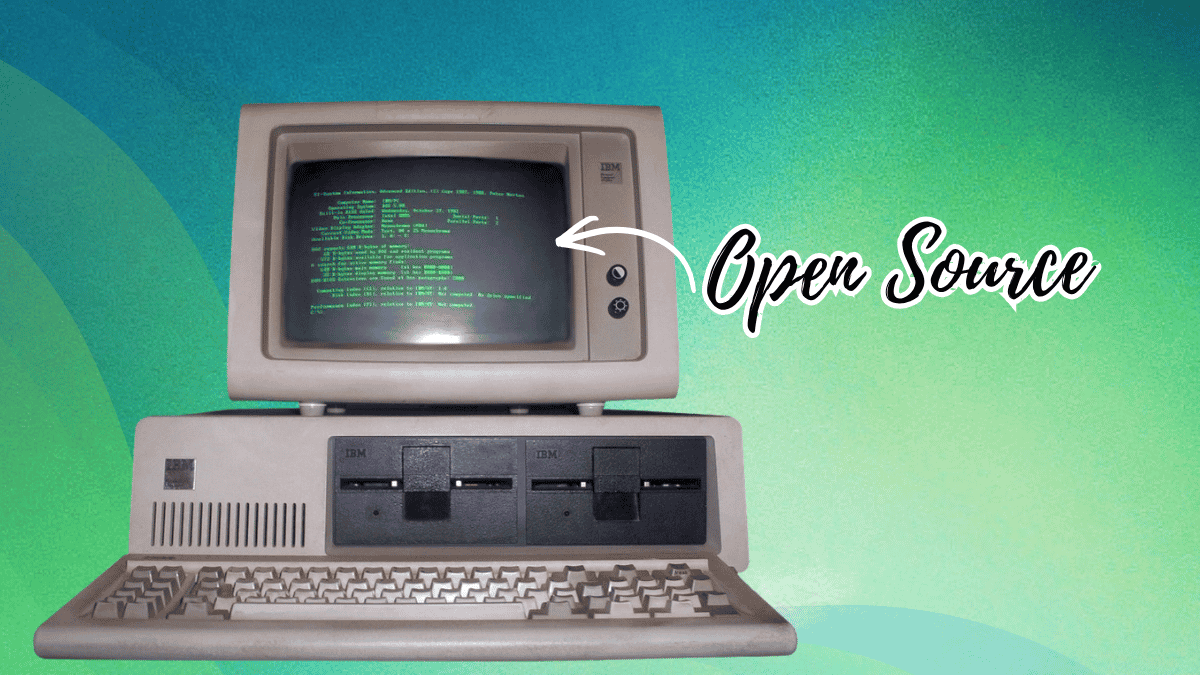
Long before Microsoft became synonymous with corporate desktops and Windows ecosystems, the company’s rise began with a humble operating system that would reshape personal computing. In a move that underscores its commitment to preserving computing history, Microsoft has publicly released the earliest known source code of DOS—the foundational software that launched the PC revolution. The release coincides with the 45th anniversary of 86-DOS 1.00, marking a milestone that connects the modern tech giant to its scrappy origins.
The Origins of DOS: QDOS and the 8086 Gap
In 1980, the landscape of microcomputer operating systems was dominated by Digital Research’s CP/M. However, the arrival of Intel’s 16-bit 8086 processor exposed a critical gap: CP/M had no version for the new chip. Tim Paterson, an engineer at Seattle Computer Products, stepped in to fill the void. He wrote a system he initially called QDOS—short for Quick and Dirty Operating System—modeling its application programming interface (API) after CP/M to ensure compatibility with existing software. Paterson’s creation was later renamed 86-DOS and became the foundation of both PC DOS and MS-DOS.
The Historic Deal with IBM
In 1981, Microsoft acquired the rights to 86-DOS from Seattle Computer Products for under $100,000. This modest investment proved transformative. Microsoft delivered the operating system to IBM as PC DOS 1.0 in August 1981, while retaining the right to market the same OS to other PC manufacturers as MS-DOS. That single deal set Microsoft on a trajectory to dominate personal computing for the next two decades, establishing the standard for software licensing and hardware compatibility.
The Open-Source Release: A 45-Year Gift
On April 28, exactly 45 years after the release of 86-DOS 1.00, Microsoft published a blog post announcing that the oldest known DOS source code is now available on GitHub under the permissive MIT license. This open-source release joins a growing list of Microsoft’s retro software contributions, including 6502 BASIC (2025), MS-DOS 4.0 (2024), and MS-DOS 1.25 and 2.0 (2018). The move reflects a clear pattern of the company embracing its heritage and empowering the retro-computing community.
The Archival Effort: From Paper to Code
The journey from Paterson’s personal archives to a public GitHub repository was far from straightforward. Paterson had preserved physical assembler printouts and stacks of continuous-feed paper from 1981, but these were not organized as a clean source archive. Historians Yufeng Gao and Rich Cini took on the painstaking task of locating, scanning, and transcribing the DOS-related portions into compilable code. Their work ensures that the source is accurate and usable, preserving a key piece of computing history.

What’s Included in the Release
The GitHub repository contains several elements that will fascinate historians and developers alike:
- The complete 86-DOS 1.00 kernel
- Multiple development snapshots of the PC-DOS 1.00 kernel, offering insight into the evolution of the code
- Utility programs such as CHKDSK
- The assembler that Paterson used to write the operating system itself
This compilation provides a rare, low-level look at the foundational code that powered the first IBM PCs.
Who Should Care About This Release?
While Microsoft’s open-sourcing of old code is no longer surprising, this release holds particular appeal for specific audiences:
- Retro-computing enthusiasts will appreciate the ability to compile and run the original DOS kernel.
- Low-level systems programmers can explore how an early operating system managed memory, files, and hardware interaction.
- Computer historians gain access to primary source material that documents the transition from 8-bit to 16-bit computing.
To compile the source, you will need a copy of Seattle Computer Products’ ASM assembler, which can be extracted from any 86-DOS or early MS-DOS release. The repository’s README provides step-by-step instructions to get started.
Conclusion
The open-sourcing of the earliest DOS source code is more than a nostalgic gesture—it’s an invitation to learn from and build upon the software that launched the PC era. By releasing this code under the MIT license, Microsoft ensures that the work of Tim Paterson and the diligent archival efforts of Gao and Cini remain accessible for generations to come. Whether you are a seasoned developer or a curious enthusiast, the 45th anniversary of DOS offers a unique window into the birth of personal computing.